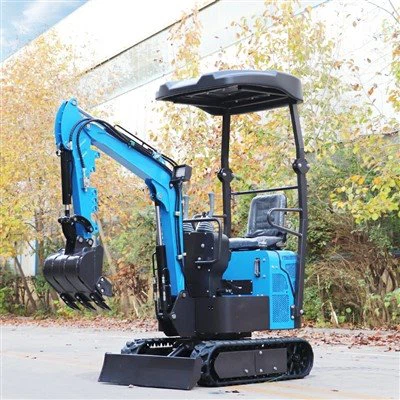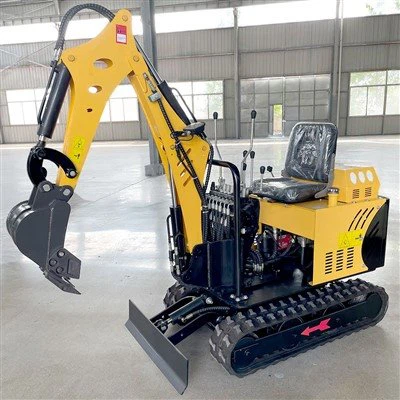
Yo, folks! As a supplier of small household excavators, I've been getting a lot of questions about the stability of these machines during operation. It's a super important topic, so I thought I'd share some insights on what makes a small household excavator stable and how it affects your work.
Why Stability Matters
First off, let's talk about why stability is such a big deal. When you're using a small household excavator, you're often working in tight spaces, digging trenches, or moving heavy loads. If the machine isn't stable, it can tip over, causing damage to the equipment, the surrounding area, and even putting you at risk of injury. So, having a stable excavator is crucial for both safety and efficiency.
Factors Affecting Stability
There are several factors that can affect the stability of a small household excavator. Let's break them down one by one.
Weight Distribution
The way the weight is distributed on the excavator plays a huge role in its stability. A well-designed excavator will have a balanced weight distribution, with the heaviest components, like the engine and the counterweight, located low and towards the rear of the machine. This helps to keep the center of gravity low, reducing the risk of tipping.
For example, our Little Mini Excavator is engineered with a carefully calculated weight distribution. The counterweight at the back provides the necessary balance when the excavator is digging or lifting, ensuring that it stays firmly on the ground.
Track or Wheel Configuration
The type of tracks or wheels on the excavator also affects its stability. Tracks offer better traction and stability on uneven or soft ground, as they distribute the weight of the machine over a larger area. This reduces the pressure on the ground and helps to prevent the excavator from sinking or slipping.
On the other hand, wheeled excavators are more maneuverable on hard surfaces and can be easily transported from one job site to another. However, they may not be as stable as tracked excavators on rough terrain.
Our Small Track Excavator is equipped with high-quality tracks that provide excellent traction and stability. The tracks are designed to grip the ground firmly, allowing the excavator to operate smoothly even on challenging surfaces.
Boom and Arm Design
The design of the boom and arm can also impact the stability of the excavator. A longer boom and arm can provide greater reach, but they also increase the leverage and the risk of tipping. Therefore, it's important to choose an excavator with a boom and arm design that is appropriate for your specific needs.


Some excavators are equipped with features like telescopic booms or adjustable arms, which can help to improve stability by allowing you to adjust the reach and position of the digging tool.
Operating Conditions
The operating conditions, such as the type of terrain, the slope of the ground, and the load being lifted, can also affect the stability of the excavator. For example, working on a steep slope or lifting a heavy load can increase the risk of tipping.
It's important to assess the operating conditions before starting any excavation work and take appropriate precautions to ensure the stability of the machine. This may include using outriggers to provide additional support, adjusting the position of the excavator, or reducing the load being lifted.
How to Ensure Stability
Now that we've talked about the factors that affect stability, let's discuss some tips on how to ensure the stability of your small household excavator during operation.
Read the Manual
Before operating the excavator, make sure you read the operator's manual carefully. The manual will provide you with important information about the machine's capabilities, limitations, and safety procedures. It will also give you instructions on how to properly operate the excavator to ensure its stability.
Inspect the Machine
Before each use, inspect the excavator for any signs of damage or wear. Check the tracks or wheels, the boom and arm, the hydraulic system, and all other components to make sure they are in good working condition. If you notice any problems, have them repaired before using the excavator.
Choose the Right Location
When setting up the excavator, choose a level and stable surface. Avoid working on slopes or soft ground, as this can increase the risk of tipping. If you need to work on a slope, make sure you use outriggers or other stabilizing devices to keep the machine level.
Use the Right Attachments
Using the right attachments for the job can also help to improve the stability of the excavator. For example, using a bucket that is the appropriate size and weight for the machine can help to balance the load and reduce the risk of tipping.
Follow Safe Operating Practices
Finally, it's important to follow safe operating practices at all times. This includes wearing the appropriate safety gear, such as a hard hat, safety glasses, and steel-toed boots. It also means operating the excavator at a safe speed and avoiding sudden movements or jerks.
Our Product Range
As a supplier of small household excavators, we offer a wide range of models to meet the needs of different customers. Our Case Mini Excavator is a popular choice among homeowners and small contractors. It's compact, easy to operate, and offers excellent stability and performance.
We also offer other models, such as the Little Mini Excavator and the Small Track Excavator, which are designed to provide maximum stability and efficiency in a variety of operating conditions.
Contact Us for More Information
If you're interested in learning more about our small household excavators or have any questions about stability or other aspects of these machines, don't hesitate to contact us. We'd be happy to help you find the right excavator for your needs and provide you with all the information you need to make an informed decision.
Let's work together to get the job done safely and efficiently!
References
- Manufacturer's manuals for small household excavators
- Industry standards and guidelines for excavator operation and safety