Hey there, fellow lawn enthusiasts! As a lawn mower supplier, I get a ton of questions from customers about maintaining their mowers. One of the most common queries is how to adjust the tension of the drive belt in a lawn mower. It might seem like a daunting task, but trust me, it's not as hard as it sounds. In this blog post, I'll walk you through the whole process step by step.
First things first, let's talk about why adjusting the drive - belt tension is so important. The drive belt in your lawn mower is like the heart of the machine. It's responsible for transferring power from the engine to the wheels or the cutting blades. If the belt is too loose, it can slip, which means your mower won't move properly or the blades won't spin at the right speed. On the other hand, if the belt is too tight, it can put extra strain on the engine and other components, leading to premature wear and tear.
Before you start adjusting the drive belt, you'll need a few tools. You'll typically need a socket wrench set, a flat - head screwdriver, and maybe a pair of pliers. Make sure your lawn mower is turned off and the spark plug wire is disconnected. Safety first, folks!
The first step is to locate the drive belt. The location can vary depending on the model of your lawn mower. In most walk - behind mowers, the drive belt is usually under a protective cover near the engine and the transmission. For riding mowers, it might be more complex and could be located under the deck or near the rear wheels.

Once you've found the drive belt, take a good look at it. Check for any signs of wear, like cracks, fraying, or excessive stretching. If the belt looks bad, it's probably time to replace it. You can find replacement belts at most hardware stores or directly from the mower manufacturer. We also offer a wide range of high - quality replacement belts for different models of lawn mowers.
Now, let's get to the adjustment part. Most lawn mowers have an adjustment mechanism for the drive belt. This can be a tensioning pulley or an adjustment bolt. If it's a tensioning pulley, you'll usually use a wrench to loosen the bolts that hold the pulley in place. Then, you can move the pulley to increase or decrease the tension of the belt. If it's an adjustment bolt, you'll simply turn the bolt to change the position of a component that affects the belt tension.
To check if the tension is correct, give the belt a gentle tug. It should have a little bit of give, but not so much that it can be easily moved around. A general rule of thumb is that the belt should have about 1/2 to 3/4 inch of play in the middle of the longest run. If it's too loose, tighten the tension; if it's too tight, loosen it up.
It's important to make small adjustments at a time and then re - check the tension. Sometimes, getting the perfect tension takes a few tries. After you've made the adjustments, make sure all the bolts and nuts are tightened securely.
Now, let's talk about a few things to keep in mind. Different models of lawn mowers might have slightly different procedures for adjusting the drive - belt tension. Always refer to your mower's owner's manual for specific instructions. Also, if you're not comfortable doing the adjustments yourself, it's a good idea to take your mower to a professional.
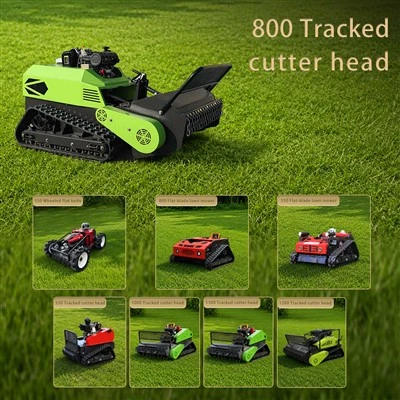
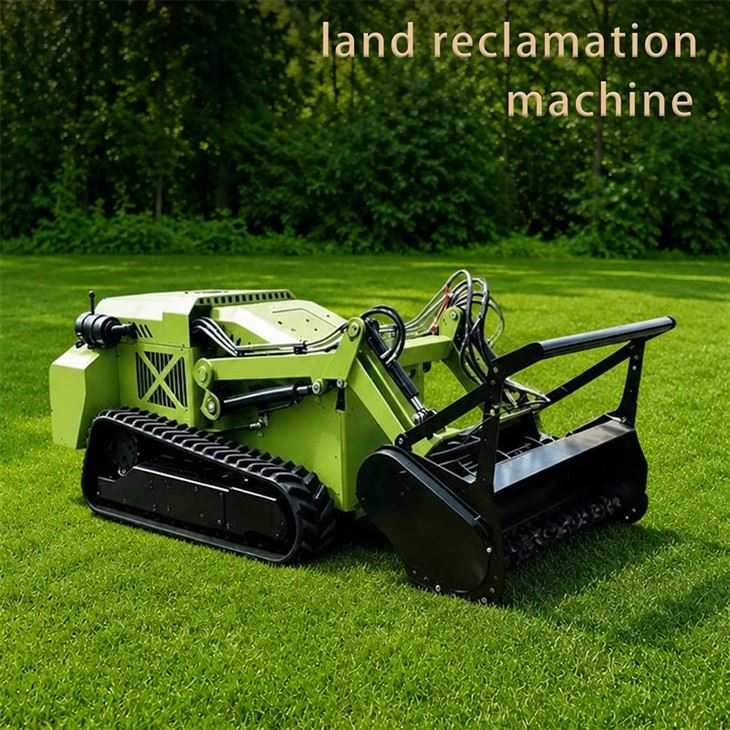
At our company, we're not just a lawn mower supplier; we're here to help you get the most out of your equipment. We offer a variety of top - notch lawn mowers, such as the Remote Control Tracked Forestry Mulcher, which is perfect for dealing with thick vegetation and forest areas. The Remote Control 4x4 Lawn Mower provides excellent traction and can handle rough terrains with ease. For those looking for a more precise cutting experience, the 800mm Remote - Controlled Flail Mower is a great option. Our Smart Remote Control Track Lawn Mower offers advanced features for efficient lawn care. And if you have a sloped lawn, the Remote Control Slope Lawn Mower is designed to work on inclines safely.
If you're in the market for a new lawn mower or need replacement parts and accessories, don't hesitate to reach out to us. We're always happy to answer your questions and help you find the right product for your needs. Whether you're a professional landscaper or a homeowner looking to keep your lawn in top shape, we've got you covered.
In conclusion, adjusting the drive - belt tension in your lawn mower is a simple yet crucial maintenance task. By following the steps I've outlined and keeping an eye on the condition of your belt, you can ensure that your lawn mower runs smoothly and efficiently for years to come. So, go ahead and give it a try. Your lawn will thank you!
If you want to learn more about lawn mower maintenance or have any other questions, feel free to get in touch. We're here to assist you with all your lawn care needs and can help you make the best purchase decisions.
References
- Lawn mower owner's manuals
- General lawn mower maintenance guides from hardware stores