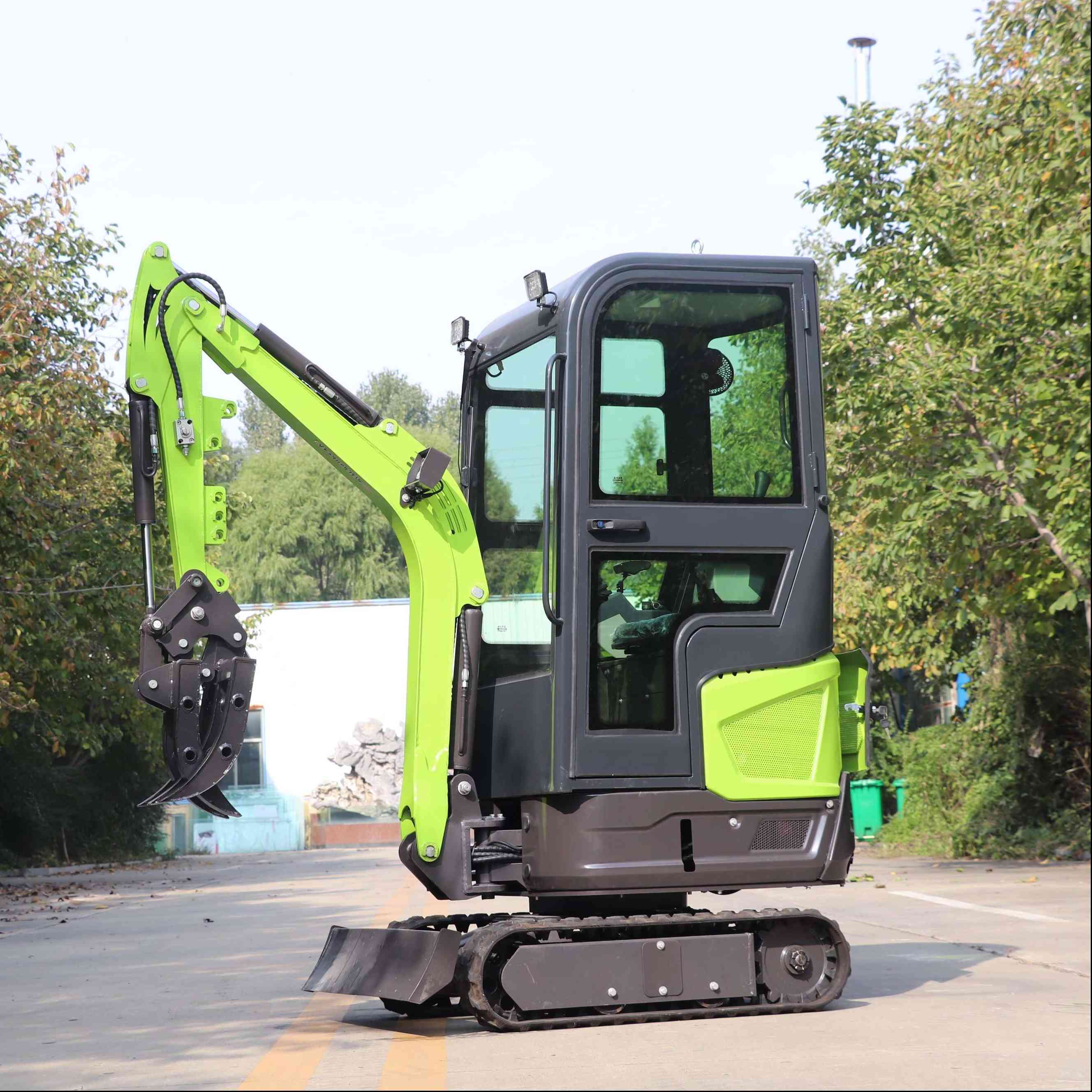
Operating a little mini excavator safely is of utmost importance to prevent accidents and ensure the longevity of the equipment. As a supplier of Little Mini Excavators, I understand the significance of providing comprehensive guidance on safe operation. In this blog, I will share some essential tips and best practices to help you operate a mini excavator safely.
Pre - operation Checks
Before starting the mini excavator, a series of pre - operation checks should be carried out. First, visually inspect the machine. Check for any signs of damage, such as cracks in the body, leaks in the hydraulic system, or loose bolts and nuts. The hydraulic hoses should be intact without any signs of wear or abrasion, as a damaged hose can lead to a hydraulic fluid leak, which not only affects the performance of the excavator but can also pose a safety hazard.
Inspect the tracks or wheels (depending on the type of mini excavator). Ensure that the tracks have proper tension and no signs of excessive wear. For wheeled mini excavators, check the tire pressure to ensure stable operation. The undercarriage should also be free from any debris or obstacles that could interfere with the movement of the machine.
Check the engine oil, coolant, and fuel levels. Low levels of these fluids can cause the engine to overheat or malfunction. Also, make sure that the battery is properly connected and has sufficient charge. A dead battery can prevent the excavator from starting, leaving you in an inconvenient situation on the job site.
Familiarize Yourself with the Controls
It is crucial to be thoroughly familiar with the controls of the mini excavator. Each control has a specific function, and understanding how they work is essential for safe operation. The joysticks are used to control the movement of the boom, arm, and bucket. Practice using these controls in a safe and open area before starting actual work.
The foot pedals are used to control the movement of the tracks or wheels. Familiarize yourself with the forward, reverse, and turning functions of the foot pedals. Some mini excavators also have additional controls for functions such as auxiliary hydraulics, which can be used to power attachments like breakers or augers.
Operating on a Stable Surface
Mini excavators are designed to work on a variety of terrains, but it is important to ensure that the surface is stable. Avoid operating the excavator on slopes that are too steep, as this can cause the machine to tip over. If you need to work on a slope, make sure to position the excavator perpendicular to the slope to increase stability.
Before starting to dig, clear the area of any rocks, debris, or other obstacles that could cause the excavator to lose balance. Also, be aware of underground utilities such as water pipes, gas lines, and electrical cables. Contact the local utility companies to mark the location of these utilities before starting any excavation work.
Safe Digging Techniques
When digging, start with a small and shallow cut. This allows you to assess the soil conditions and make any necessary adjustments. Avoid over - digging, as this can cause the sides of the excavation to collapse. Use the bucket to break up hard soil or rocks instead of applying excessive force, which can damage the bucket or the machine.
Keep the boom and arm in a stable position while digging. Avoid sudden movements or jerks, as this can cause the machine to become unstable. When lifting heavy loads, make sure that the load is evenly distributed in the bucket and that the excavator is on a stable surface.
Maintenance and Care
Regular maintenance is essential for the safe and efficient operation of the mini excavator. Follow the manufacturer's recommended maintenance schedule for tasks such as oil changes, filter replacements, and lubrication. Keep the machine clean to prevent dirt and debris from entering the engine and hydraulic system.
Inspect the attachments regularly. If you are using a breaker, auger, or other attachments, make sure that they are properly installed and in good working condition. A faulty attachment can not only affect the performance of the excavator but also pose a safety risk.
Safety Equipment
Always wear appropriate safety equipment when operating a mini excavator. This includes a hard hat, safety glasses, ear protection, and steel - toed boots. A seatbelt should be worn at all times when operating the machine to prevent ejection in case of an accident.
If you are working in an area with a risk of falling objects, consider using a cab guard. Some mini excavators are equipped with ROPS (Roll - Over Protective Structure) and FOPS (Falling Object Protective Structure) to provide additional protection in case of a roll - over or falling object.
Training and Certification
Proper training is essential for safe operation of a mini excavator. Many countries and regions require operators to be certified to operate heavy equipment. Consider enrolling in a training course provided by a reputable institution. These courses typically cover topics such as machine operation, safety procedures, and maintenance.
Even if certification is not required, training can significantly improve your skills and knowledge of the machine. It can also help you identify potential safety hazards and how to avoid them.


Our Little Mini Excavators
At our company, we offer a range of fully functional mini excavators that are designed for various applications. Our Fully Functional Mini Excavator is equipped with advanced features and high - quality components to ensure reliable performance. Whether you are working on a small construction project, landscaping, or snow removal, our mini excavators can meet your needs.
For those interested in specific applications, our Mini Excavator Work page provides detailed information on how our mini excavators can be used in different scenarios. And if you are looking for a machine for snow removal, our 1.2 Ton Mini Excavator for Snow Removal is a great option.
Contact Us for Purchase and Consultation
If you are interested in purchasing a mini excavator or have any questions about our products, we encourage you to contact us. Our team of experts is ready to provide you with detailed information, answer your queries, and assist you in making the right choice for your needs. We believe that our mini excavators, combined with proper safety training and operation, can help you achieve your work goals efficiently and safely.
References
- Manufacturer's operation manuals for mini excavators.
- Safety guidelines provided by industry associations.
- Training materials from reputable heavy equipment training institutions.