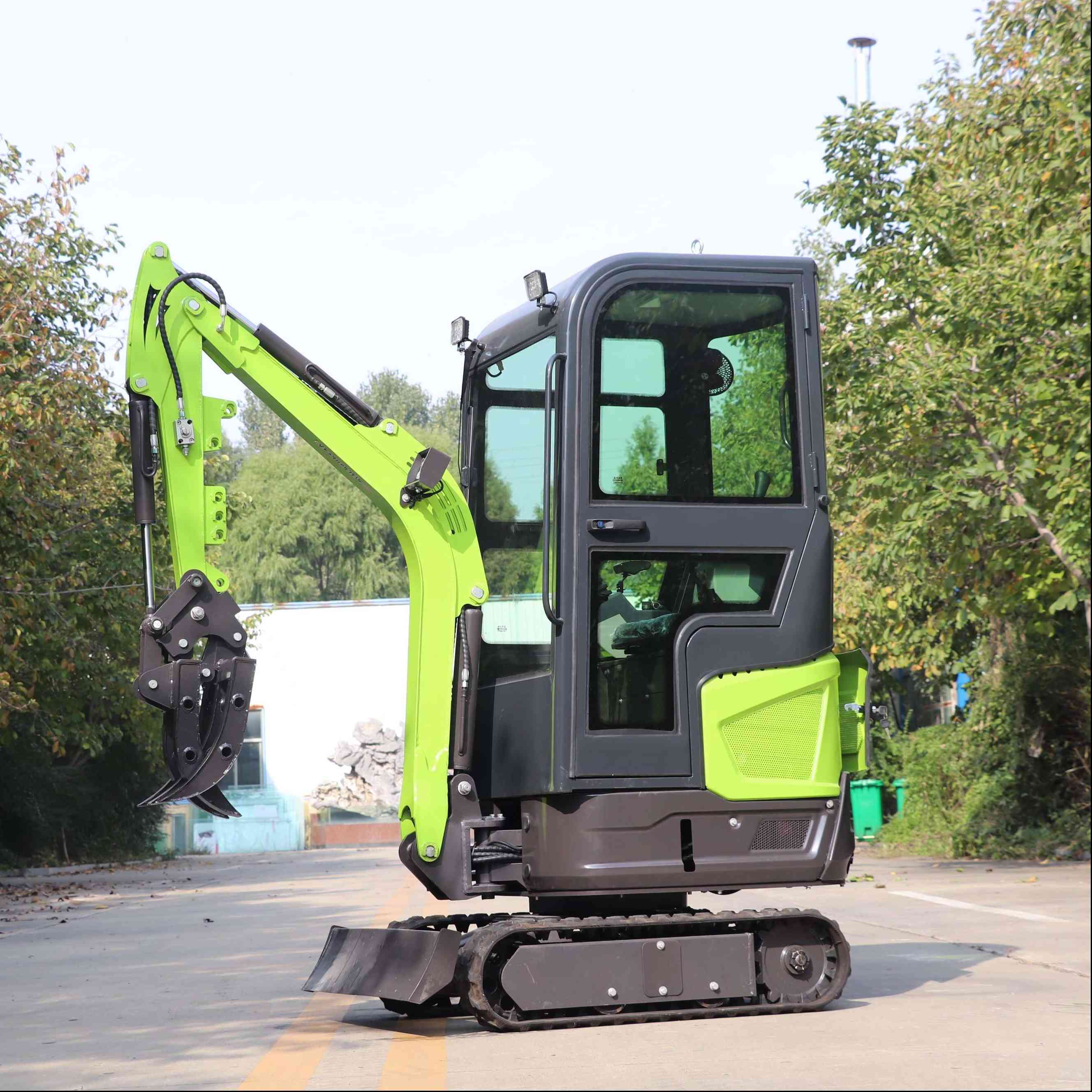
Hey there! As a supplier of small household excavators, I've seen firsthand how important it is to keep the hydraulic hoses in these machines in top - notch condition. Hydraulic hoses are like the veins of a small household excavator, carrying the life - blood of hydraulic fluid to make all the moving parts work smoothly. So, let's dive into how you can maintain these crucial components.
Regular Inspections
The first step in maintaining hydraulic hoses is to conduct regular inspections. You should give your hoses a good look - over at least once a week if the excavator is used frequently. Check for any visible signs of wear and tear. This includes cuts, abrasions, bulges, or leaks. A small cut might seem insignificant at first, but it can quickly turn into a major problem, leading to a loss of hydraulic fluid and reduced performance of the excavator.
When inspecting, pay special attention to the areas where the hoses are bent or where they come into contact with other parts of the machine. These are high - stress areas, and damage is more likely to occur here. If you notice any signs of damage, it's important to address them right away. You can check out our Fully Functional Mini Excavator to see how well - maintained hoses contribute to the overall performance.
Keep Them Clean
Hydraulic hoses can get dirty pretty quickly, especially when the excavator is used in a construction or landscaping environment. Dirt and debris can cause abrasion on the hoses, which over time can lead to leaks. To prevent this, make sure to clean the hoses regularly. You can use a soft brush and a mild detergent to gently scrub away any dirt. Avoid using harsh chemicals, as they can damage the rubber material of the hoses.
After cleaning, make sure to dry the hoses thoroughly. Moisture can cause corrosion of the metal fittings on the hoses, which can also lead to leaks. Keeping the hoses clean not only extends their lifespan but also helps in maintaining the overall efficiency of the hydraulic system.
Proper Installation and Routing
Proper installation and routing of hydraulic hoses are crucial for their longevity. When installing new hoses, make sure they are the right length and size for the excavator. Hoses that are too long can kink, while hoses that are too short can be under excessive stress.


Also, pay attention to how the hoses are routed. They should be kept away from sharp edges and moving parts that could cause abrasion. Use hose clamps and brackets to secure the hoses in place and prevent them from rubbing against each other or other components. If you're looking for a reliable small excavator with well - routed hoses, our Mini Household Excavator is a great option.
Monitor Temperature and Pressure
The temperature and pressure of the hydraulic system can have a big impact on the health of the hoses. High temperatures can cause the rubber in the hoses to degrade faster, while excessive pressure can lead to bursts. Make sure to monitor the temperature and pressure gauges on your excavator regularly.
If you notice that the temperature or pressure is consistently outside the normal range, there might be an issue with the hydraulic system. It could be a clogged filter, a malfunctioning pump, or other problems. Address these issues promptly to prevent damage to the hoses. You can learn more about the hydraulic systems in our micro excavator mini digger.
Replace Worn - out Hoses in Time
Even with the best maintenance, hydraulic hoses will eventually wear out. It's important to know when it's time to replace them. A good rule of thumb is to replace hoses every few years, depending on how often the excavator is used.
If you notice any of the following signs, it's definitely time for a replacement: persistent leaks, visible damage that can't be repaired, or a significant decrease in the performance of the hydraulic system. Don't try to patch up a severely damaged hose; it's better to invest in a new one. Our One Ton Excavator comes with high - quality hoses, but you'll still need to replace them as part of regular maintenance.
Use Quality Hydraulic Fluid
The type of hydraulic fluid you use can also affect the lifespan of the hoses. Make sure to use a high - quality hydraulic fluid that is recommended by the excavator manufacturer. The right fluid will have the proper viscosity and additives to protect the hoses and the hydraulic system.
Using the wrong fluid can cause the hoses to swell, harden, or deteriorate. It can also lead to problems with the hydraulic pump and other components. Check the fluid level regularly and top it up as needed. And don't forget to change the fluid at the recommended intervals.
Train Your Operators
If you have multiple people operating the small household excavator, it's important to train them on proper hose maintenance. They should know how to conduct basic inspections, how to handle the excavator to avoid damaging the hoses, and what to do if they notice any problems.
A well - trained operator can catch potential issues early and take the necessary steps to prevent major problems. This can save you a lot of time and money in the long run. Our Mini Track Excavator is easy to operate, but proper training is still essential for hose maintenance.
In conclusion, maintaining the hydraulic hoses in a small household excavator is not rocket science, but it does require some attention and effort. By following these tips, you can ensure that your excavator's hydraulic hoses last longer and perform better.
If you're in the market for a small household excavator or need more information on hose maintenance, feel free to reach out. We're here to help you make the best choice for your needs and keep your equipment in great condition.
References
- "Hydraulic Hose Handbook" by Eaton Corporation
- "Small Excavator Maintenance Guide" by industry experts in construction equipment maintenance