Hey there! If you're in the construction, landscaping, or any industry that uses a skid steer loader, you know how awesome these machines are. But one big headache is the potential damage they can do to the ground. I'm from a skid steer loader supplier, and I've seen firsthand the problems that can come up, so I'm here to share some tips on how to prevent ground damage when using a skid steer loader.
Choose the Right Tires or Tracks
When it comes to skid steer loaders, the first thing to think about is what kind of tires or tracks you're using. Different surfaces need different types. For instance, if you're working on soft or sensitive ground, tracks are usually a better choice than tires. Tracks distribute the weight of the loader more evenly, which reduces the ground pressure and lessens the chance of leaving deep ruts.
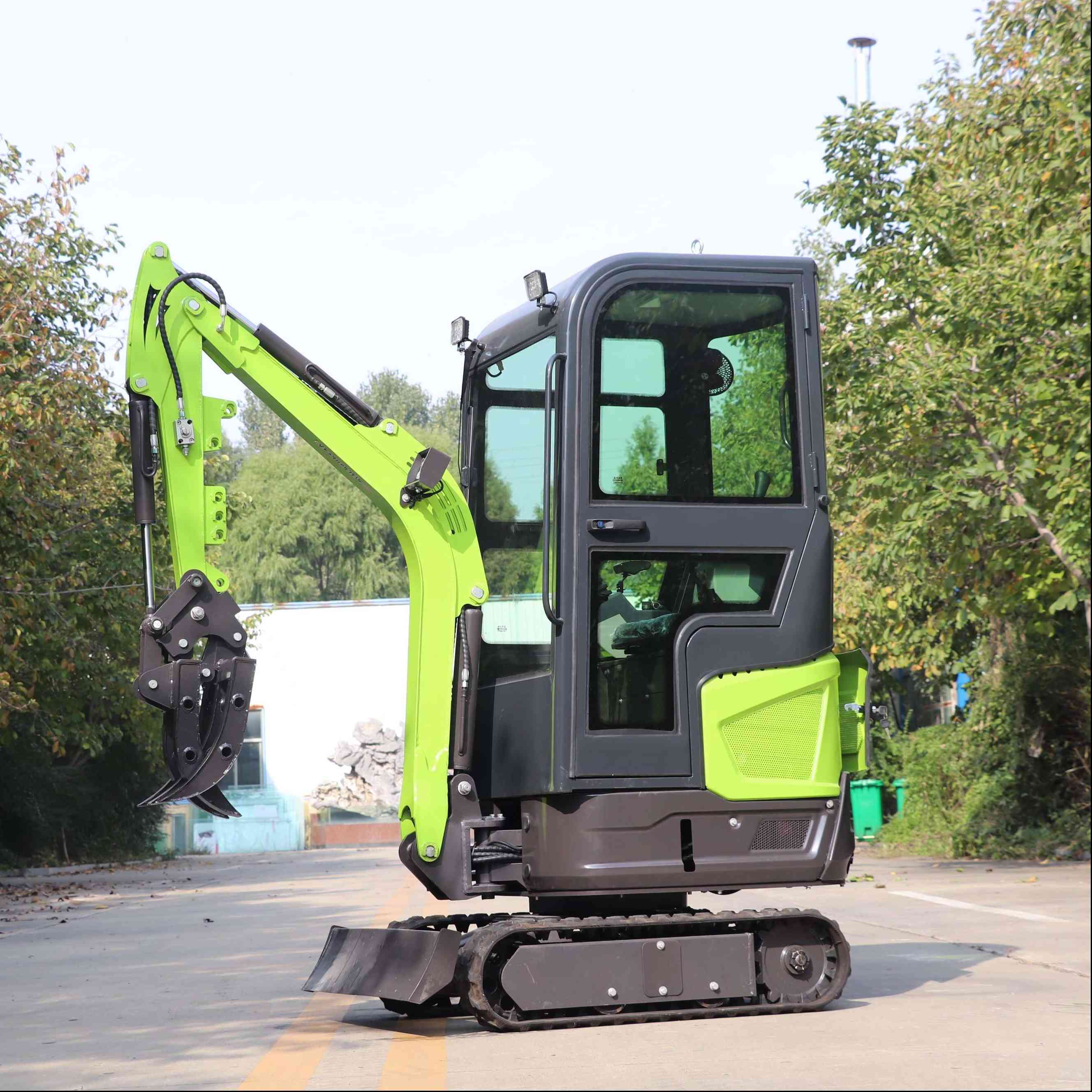
We offer a Mini Skid Steer Loader that comes with high - quality tracks. These tracks are designed to provide good traction while minimizing ground impact. They're great for jobs in lawns, gardens, or other areas where you don't want to mess up the surface.
On the other hand, if you're working on hard, flat surfaces like concrete or asphalt, tires might be more suitable. Tires can move more easily on these surfaces, and they're less likely to cause scuffing or scratching compared to tracks in some cases.
Adjust the Operating Pressure
Another important factor is adjusting the operating pressure of the skid steer loader. You need to make sure the tires or tracks aren't over - inflated or under - inflated. Over - inflated tires can create high - pressure points that dig into the ground, especially on softer surfaces. Under - inflated tires, on the other hand, can cause the loader to sink deeper and leave wider ruts.
Most skid steer loaders have a recommended operating pressure range. You should regularly check and adjust the pressure according to the manufacturer's guidelines. This simple step can go a long way in preventing unnecessary ground damage.
Proper Training for Operators
You know what? A well - trained operator can make all the difference in preventing ground damage. Operators should be taught how to handle the skid steer loader in a way that minimizes impact on the ground. For example, they should avoid making sharp turns or sudden stops, especially on soft ground.
Sharp turns can cause the tires or tracks to tear up the surface, leaving behind ugly marks. Instead, operators should make wide, gentle turns. Also, when starting and stopping the loader, they should do it slowly and smoothly. This reduces the stress on the ground and helps keep it in good condition.
We often provide training sessions for our customers who buy our skid steer loaders. We believe that by educating operators, we can not only prevent ground damage but also improve the overall efficiency of the work.
Use Ground Protection Mats
Ground protection mats are a great investment when using a skid steer loader on sensitive ground. These mats act as a buffer between the loader and the ground, distributing the weight even more evenly and protecting the surface from damage.
There are different types of ground protection mats available, made from materials like plastic, rubber, or composite. You should choose the type that's best suited for your specific job and ground conditions. For example, if you're working on a wet or muddy area, rubber mats might be a better choice as they provide good traction.
We've had customers who used our Small Skidsteers on a newly - seeded lawn. By using ground protection mats, they were able to complete their work without causing any significant damage to the grass.
Select the Right Attachment
The attachment you use on your skid steer loader can also have an impact on the ground. Some attachments, like a Skid Steer Rock Bucket, are designed for heavy - duty work and may cause more damage to the ground if not used properly.
Before using an attachment, you need to consider the ground conditions and the nature of the work. For light - duty tasks on sensitive ground, you might want to choose a more gentle attachment. For example, if you're just moving light materials on a lawn, a smaller bucket would be a better option than a large, heavy - duty one.
Regular Maintenance of the Loader
Regular maintenance of the skid steer loader is essential for preventing ground damage. A well - maintained machine operates more smoothly, which means less stress on the ground. You should check the loader for any loose parts, worn - out tires or tracks, and damaged attachments.
Worn - out tires or tracks can increase the friction on the ground, leading to more damage. If you notice any signs of wear, you should replace them as soon as possible. Also, keeping the loader clean and lubricated can improve its performance and reduce the chance of accidents that could damage the ground.
Plan Your Route
When using a skid steer loader, it's a good idea to plan your route in advance. Try to avoid areas where the ground is especially soft, fragile, or prone to damage. You should also try to use the same paths as much as possible. This way, the impact on the ground is concentrated in a smaller area, rather than spreading out all over the place.
For example, if you're working on a large construction site with areas of newly - laid sod, you can mark out a specific path for the skid steer loader to follow. This helps protect the sod and other sensitive areas.
Use Alternative Equipment for Delicate Jobs
In some cases, a skid steer loader might not be the best option for a particular job. If the ground is extremely fragile or the job requires a very delicate touch, you might want to consider using alternative equipment.
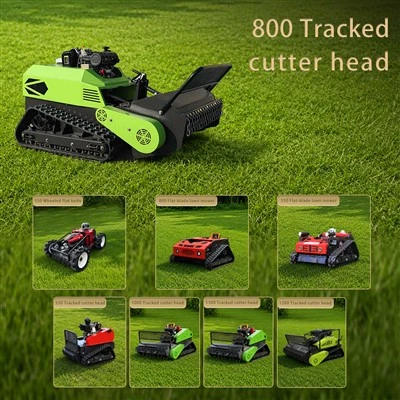
For example, for mowing a large lawn, a 1000 - type Tracked Lawn Mower could be a better choice than a skid steer loader. This type of mower is specifically designed for lawn care and has a lower impact on the grass.


Communicate with the Site Team
Finally, communication is key. You should keep everyone on the site informed about the potential ground damage and the measures you're taking to prevent it. This includes not only the operators of the skid steer loader but also other workers, supervisors, and clients.
If everyone is aware of the importance of protecting the ground, they can work together to avoid unnecessary damage. For example, if a worker notices a potential problem area, they can communicate it to the loader operator in time.
Conclusion
Preventing damage to the ground when using a skid steer loader is all about making the right choices and taking proper precautions. By choosing the right tires or tracks, adjusting the operating pressure, training operators, using ground protection mats, selecting the right attachment, maintaining the loader, planning your route, considering alternative equipment, and communicating with the site team, you can minimize the impact on the ground.
If you're in the market for a skid steer loader or need more advice on preventing ground damage, feel free to reach out. We're here to help you find the best solutions for your projects. Whether you're interested in our All Wheel Steer Skid Steer or other models, we're ready to discuss your needs and requirements.
References
- Construction Equipment Manufacturer's Manuals
- Industry Best Practices for Ground Protection in Construction and Landscaping